Excessive daytime sleepiness (EDS) affects 40-50% of individuals with alcohol-induced sleep disorder. EDS is characterized by an overwhelming need to sleep during the day, even after a full night’s rest. Alcohol-induced disruptions to the sleep cycle, particularly reduced REM sleep, https://ecosoberhouse.com/ lead to non-restorative sleep.
St. John’s Wort for Depression
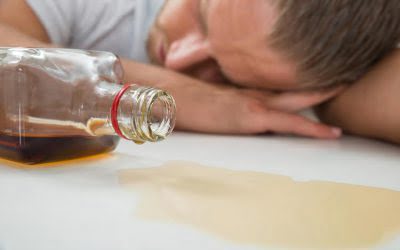
As a result, they may consume alcohol to speed up falling asleep, but evidence shows this technique does not improve sleep quality. Disruption of Sleep ArchitectureAlcohol might make you feel sleepy and help you fall asleep initially, but it significantly disrupts the quality of sleep. It reduces the amount of time spent in REM (Rapid Eye Movement) sleep, which is crucial for feeling rested and for memory consolidation. As the night progresses and the body metabolizes alcohol, there’s often a rebound increase in REM sleep, which can lead to vivid dreams or nightmares, making sleep less restful or even causing awakenings. More than 70% of those with alcohol use disorder (AUD) also experience alcohol-induced sleep disorders, such as insomnia, according to scientists in a 2020 review. Regular drinking has also been linked to shorter periods of rapid eye movement (REM) sleep, a disrupted circadian rhythm, and snoring.
First Health PPO Coverage for Drug & Alcohol Rehab
Again, please discuss your use of CBD or any other supplements with your doctor to make sure that it won’t affect any other medicines you take. CBD comes in many forms, including oils, tinctures, capsules, patches, vapes, and topical preparations for use on skin. If you’re hoping to reduce inflammation and relieve muscle and joint pain, a Substance abuse topical CBD-infused oil, lotion or cream — or even a bath bomb — may be the best option.
Your Blood Pressure Will Decrease
Two studies have evaluated sleep evoked responses in abstinent long-termalcoholics. Nicholas et al. (2002) studied 7abstinent long-term alcoholic men meeting DSM – IV criteria for alcohol dependenceand 8 normal control men. Alcoholics were less likely to generate a K-complex in responseto a tone than matched controls. The alcoholic group also showed a significantly smalleramplitude does alcohol cause insomnia N550 component at a frontal site compared with controls; however, the latency ofthe component did not differ between the groups.
- These fluctuations play a vital role in the sleep-wake cycle, and when they are weakened—or absent—a person may feel alert when they want to sleep and sleepy when they want to be awake.
- For many, sleep disturbances may begin subtly and gradually worsen as hormone levels fluctuate more dramatically.
- But when you combine these substances, their sedative effects amplify each other, and not in a good way.
Medical Professionals
- Insomnia can be easily treated for most and, if it is caught early enough, completely avoided before any permanent damage has taken hold.
- You may be wondering what it is about alcohol that makes you feel sleepy, especially if you’re also experiencing adverse symptoms of insomnia.
- Do not drive or do other dangerous activities until you know how zolpidem affects you.
- In the second half of thenight, sleep is disrupted, with increased wakefulness and/or stage 1 sleep.
- While alcohol use can initially cause sedation and make a person feel sleepy, it also leads to significant disruptions in their sleep quality.
- Sleeping pill use may increase the risk of nighttime falls and injury in older adults.
The idea of attempting to sleep without alcohol can cause anxiety, which can lead to more drinking, perpetuating the cycle of alcohol abuse. Binge drinking occurs when a man has five drinks, or a woman has four drinks within two hours. This pattern of drinking is linked to insomnia, which can develop after binging. One study on binge drinking and insomnia found that people who binged two days a week had an 84% higher chance of having insomnia. Doctors have found that on its own, alcohol can narrow your upper airway and lead to sleep apnea problems, even if you have never had them before. The duration of these sleep stages can vary by person and by age.